
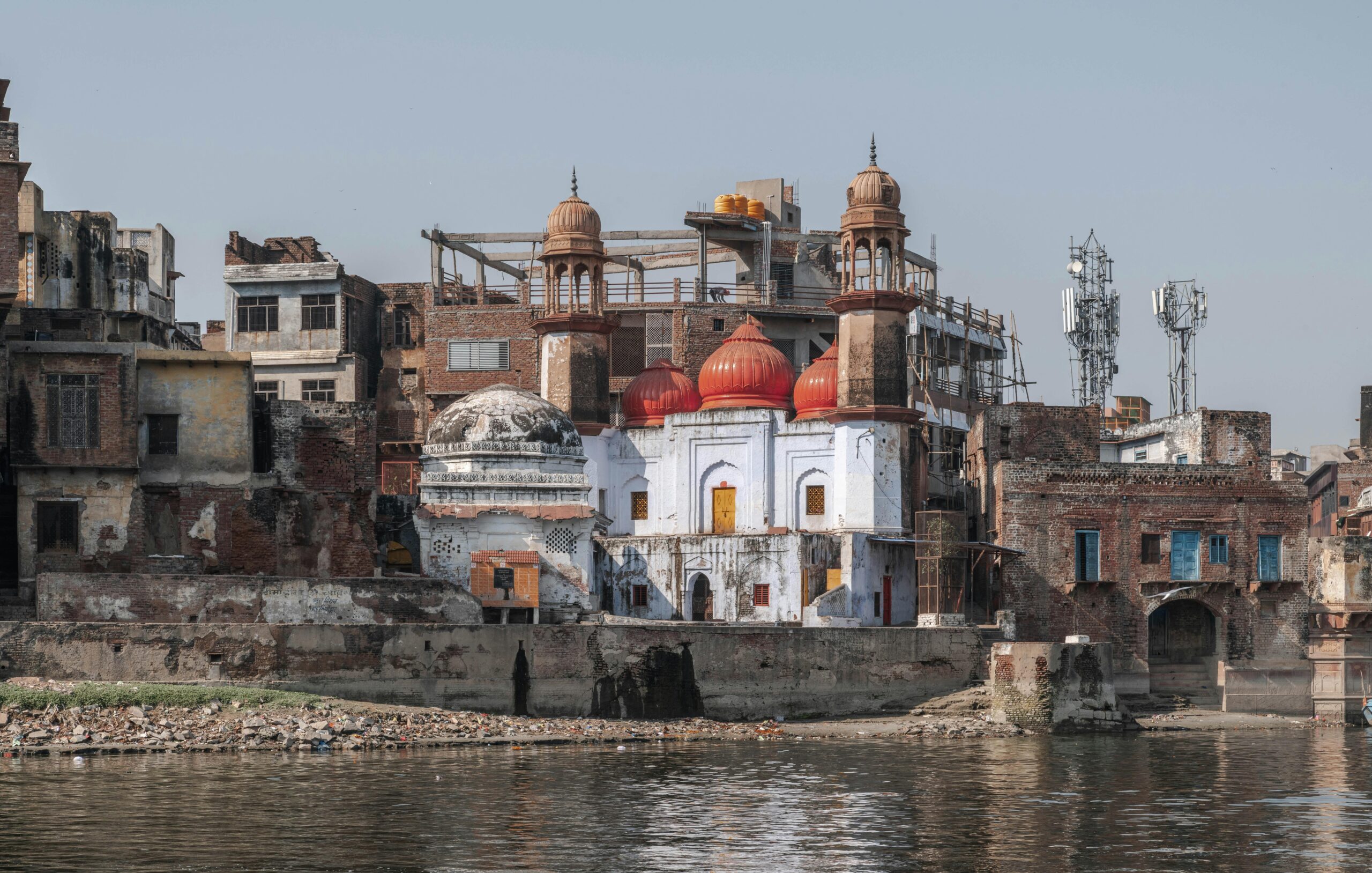
How Much Physical Strength Is Needed for Prayagraj–Varanasi Tours? , Prayagraj and Varanasi, two of India’s most sacred cities, attract millions of pilgrims and spiritual seekers annually. For families planning to bring elderly parents or those with limited mobility on tours covering these destinations, understanding the actual physical demands is crucial for making informed decisions. This comprehensive guide examines the realistic fitness requirements, breaks down specific physical challenges at key sites, and provides practical strategies for different capability levels.
Understanding the Overall Physical Demand Profile
How Much Physical Strength Is Needed for Prayagraj–Varanasi Tours? ,Prayagraj-Varanasi tours fall into a moderate physical demand category, significantly less challenging than Himalayan pilgrimage circuits like Char Dham or Amarnath, but more demanding than purely vehicle-based heritage tours. The physical requirements vary considerably based on specific sites visited, time of year, crowd levels, and tour design.
Unlike mountain pilgrimages requiring high-altitude trekking, these tours occur at low elevations with no altitude acclimatization concerns. The primary physical challenges involve walking moderate distances on uneven surfaces, navigating stairs at ghats and temples, standing for extended periods during ceremonies, managing heat and humidity, and coping with dense crowds during peak pilgrimage seasons.
How Much Physical Strength Is Needed for Prayagraj–Varanasi Tours? ,Most healthy individuals aged 65-75 with reasonable mobility can complete standard Prayagraj-Varanasi tours with appropriate preparation, pacing, and support. However, those with significant mobility limitations, severe arthritis, cardiovascular conditions, or balance issues require careful itinerary customization and additional assistance.
Site-by-Site Physical Requirements
Triveni Sangam, Prayagraj
How Much Physical Strength Is Needed for Prayagraj–Varanasi Tours? ,The Triveni Sangam, where the Ganga, Yamuna, and mythical Saraswati rivers meet, presents moderate physical challenges. Access typically involves one of two approaches: boat-based access from the ghats or walking to designated bathing areas during major melas.
How Much Physical Strength Is Needed for Prayagraj–Varanasi Tours?, Boat access requires navigating ghat steps, which typically involve 30-50 steps of varying evenness, often lacking handrails. The steps can be slippery when wet and uneven in height. Once at the boat, passengers must step into boats that rock with water movement, requiring balance and reasonable leg strength. The boat journey itself is passive and restful, though sitting on boat floors or low benches may challenge those with knee or hip issues.
During major melas like Kumbh, temporary pontoon bridges and designated bathing areas are constructed. Walking to these areas on temporary structures requires navigating uneven surfaces, potential crowd density that slows movement to a shuffle, and distances that can reach 1-2 kilometers depending on crowd management and assigned entry points.
The ritual bathing itself requires entering water, wading to an appropriate depth (knee to thigh level for most), and maintaining balance against river currents. Physical strength for this activity: moderate leg strength for balance, ability to squat or bend if doing full immersion, and comfort with water and uneven underwater surfaces.
Fitness Level Required: Moderate. Ability to navigate 30-50 stairs with rest breaks, maintain balance in boats and water, and walk 500 meters to 1 kilometer on flat but potentially uneven surfaces.
Alternative Options: Boat-based bathing eliminates much walking. During melas, authorities sometimes provide assistance for elderly pilgrims including designated areas with easier access. Wheelchair users can reach boat boarding points with assistance but face significant challenges with actual boat entry and water bathing.
Varanasi Ghats
Varanasi’s riverfront features approximately 80 named ghats stretching over 6 kilometers along the Ganges. The physical demands vary dramatically based on which ghats you visit and how you access them.
Most tours focus on major ghats like Dashashwamedh (for Ganga Aarti), Assi Ghat, Manikarnika Ghat (cremation site), and Harishchandra Ghat. Each ghat features stone steps leading from street level down to the river, typically ranging from 20-60 steps depending on water level and specific ghat. The steps are broad and relatively gradual, but surfaces are uneven, often slippery from moisture and algae, and most lack handrails.
Walking tours of the ghats involve extended walking on relatively flat terrain but with uneven paving stones, occasional steps between ghat levels, and crowds that slow progress. A typical walking tour covering 3-4 major ghats might involve 2-3 kilometers of walking over 2-3 hours.
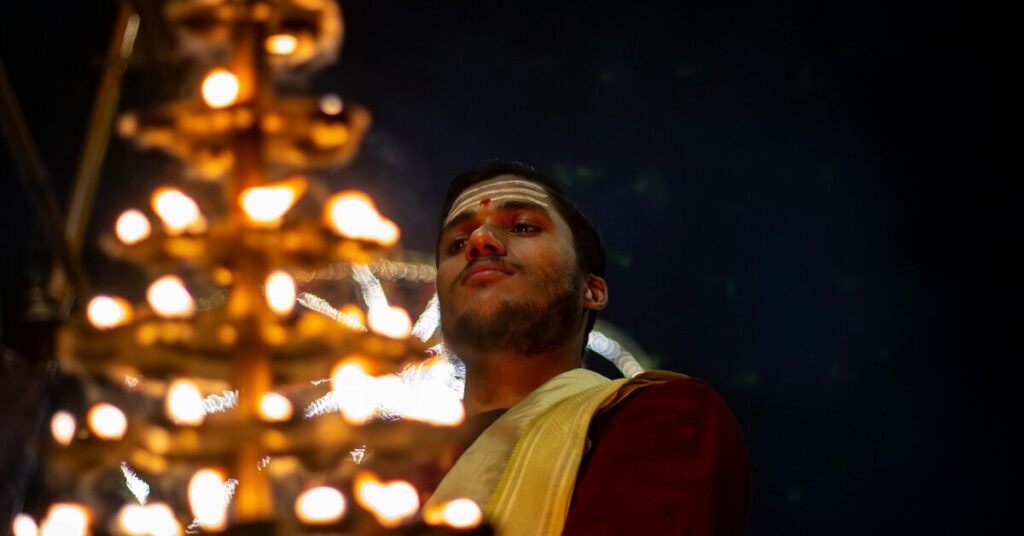
The evening Ganga Aarti at Dashashwamedh Ghat can be experienced from different vantage points. Sitting on the ghat steps requires descending and ascending 20-40 steps and sitting on stone steps without back support for 45-60 minutes. Viewing from boats eliminates stair navigation but requires boat boarding. Premium seating platforms erected for tourists offer chairs with back support but still require some stair navigation to reach.
Fitness Level Required: Moderate to moderate-high. Ability to navigate 40-60 stairs multiple times daily (up and down), walk 1-3 kilometers with rest breaks, sit without back support for extended periods or ability to bring portable seating, and maintain balance on uneven surfaces.
Alternative Options: Boat tours allow viewing of ghats from water, eliminating most walking and stair climbing. Auto-rickshaws can transport visitors between distant ghat areas. For Ganga Aarti, premium seating with chairs accommodates those who cannot sit on steps. Some tour operators arrange viewing from terrace restaurants overlooking Dashashwamedh Ghat, eliminating ghat access entirely.
Kashi Vishwanath Temple, Varanasi
The Kashi Vishwanath Temple, one of India’s most sacred Shiva temples, presents moderate physical challenges. The temple is located in Varanasi’s old city, accessible only by foot through narrow lanes (galis) as vehicles cannot enter. From the nearest vehicle drop-off point to the temple entrance typically requires 300-500 meters of walking through these narrow lanes.
The lanes themselves are relatively flat but feature uneven paving, occasional steps, very narrow width where crowds compress, and vendor obstacles. During peak times, the crowd density can be significant, making progress slow and requiring patience rather than physical strength.
The temple underwent major renovation and expansion, with improved infrastructure including better queue management. The queue to enter the sanctum can involve 30-60 minutes of standing, occasionally shuffling forward, navigating some interior stairs, and crowding in confined spaces. Once inside for darshan, devotees typically spend only 30-60 seconds in the sanctum before being moved along by temple staff.
Fitness Level Required: Moderate. Ability to walk 500 meters through narrow lanes, stand for 45-60 minutes with occasional shuffling movement, navigate 10-20 stairs inside the temple complex, and tolerate dense crowds and confined spaces.
Alternative Options: VIP darshan arrangements available through tour operators or temple authorities reduce waiting time significantly, shortening standing duration to 10-15 minutes. Wheelchair users can reach near the temple but cannot enter the sanctum with wheelchairs; transfer to temple-provided chairs or walking with assistance is required. Some elderly or infirm devotees are given priority in queues if accompanied by temple volunteers.
Sarnath (Near Varanasi)
Sarnath, where Buddha first taught after enlightenment, lies 10 kilometers from Varanasi and is included in most comprehensive tours. Physically, Sarnath is among the easiest sites, featuring well-maintained archaeological sites, paved walkways, minimal stairs, relatively flat terrain, and moderate crowd levels except during major Buddhist festivals.
The main areas include the Dhamek Stupa (massive cylindrical Buddhist structure), the archaeological museum, various Buddhist temples, and the ruins of ancient monasteries. A comprehensive visit involves 1-2 kilometers of walking on mostly flat, paved surfaces. The museum requires climbing one flight of stairs (approximately 15-20 steps) to access upper galleries, with some sites allowing ground-floor viewing only if stairs are problematic.
Fitness Level Required: Low to moderate. Ability to walk 1-2 kilometers at a leisurely pace with rest opportunities, navigate one flight of stairs (avoidable if skipping museum upper floor), and stand for 30-45 minutes total across the visit.
Alternative Options: Wheelchairs can access most areas as paths are paved and relatively smooth. The museum has wheelchair access to the ground floor. Golf carts or site vehicles are sometimes available for those with severe mobility limitations, though this needs prior arrangement.
Allahabad Fort (Prayagraj)
The Allahabad Fort, a massive 16th-century Mughal fort, houses the sacred Akshaya Vat (immortal banyan tree) and underground Patalpuri Temple. Physical requirements vary based on which sections you visit, as much of the fort is occupied by military and closed to tourists.
The accessible areas require walking approximately 500 meters from the entrance gate to the main temple and tree area, mostly on flat paved surfaces. The Patalpuri Temple involves descending approximately 20 steps into an underground chamber, with narrow passages, low ceilings in some areas, and dim lighting. The claustrophobic environment and uneven steps make this challenging for those with balance issues, claustrophobia, or mobility limitations.
Fitness Level Required: Moderate. Walking 500-700 meters on flat surfaces, ability to navigate 20 stairs down and back up in confined spaces, comfort with underground enclosed environments, and ability to bend or stoop in areas with low clearances.
Alternative Options: Those unable to descend into Patalpuri Temple can view the entrance and receive blessings from priests at ground level. The Akshaya Vat is accessible at ground level. Wheelchair users can reach the outer areas but cannot access the underground temple.
Anand Bhawan and Swaraj Bhawan (Prayagraj)
These adjacent historic houses, former homes of the Nehru family, function as museums documenting India’s independence movement. Both are multi-story buildings with exhibitions spread across several floors.
Physical requirements include navigating 2-3 floors via interior staircases (approximately 15-20 steps per floor), walking through multiple rooms on each floor, and standing while viewing exhibits. A comprehensive visit involves 1-1.5 hours of gentle walking and standing. The buildings have high ceilings and good ventilation, making them comfortable even in heat.
Fitness Level Required: Moderate. Ability to climb 40-60 stairs total (with rest opportunities at each floor), walk 500 meters indoors, and stand for 60-90 minutes with sitting breaks.
Alternative Options: Ground floor areas can be visited without climbing stairs, providing partial experience. Wheelchairs can access ground floors but cannot reach upper floors. Photo albums and videos on ground floors show upper-floor exhibits for those unable to climb.
Seasonal Physical Considerations
The physical demands of Prayagraj-Varanasi tours vary significantly with seasons, affecting required fitness levels.
Summer Season (April-June)
Summer presents extreme heat challenges with temperatures frequently exceeding 40°C (104°F) and occasionally reaching 45-48°C (113-118°F). The physical demands increase dramatically as heat exhaustion becomes a serious concern. Even modest physical activities like walking 500 meters or climbing 30 steps become significantly more taxing in extreme heat.
Elderly visitors require higher baseline fitness to cope with heat stress, must plan activities for early morning and late evening when temperatures are lower, need frequent rest in shade or air-conditioning, and require constant hydration. The heat can be dangerous for those with cardiovascular conditions, making summer the least recommended season for elderly pilgrims.
Monsoon Season (July-September)
Monsoon brings heavy rains, high humidity, and flooding risks. Physical challenges include navigating wet, slippery ghat steps (significantly more dangerous than when dry), walking through waterlogged streets and puddles, dealing with oppressive humidity that increases fatigue, and managing potential flooding that makes some areas inaccessible.
The combination of moisture, algae growth on stone surfaces, and lack of handrails makes ghat steps genuinely hazardous during monsoon. Falls are more common, and consequences can be serious for elderly individuals with fragile bones.
Winter Season (October-March)
Winter offers the most comfortable conditions with pleasant temperatures ranging from 5-25°C (41-77°F). Physical activities require less energy as heat stress is eliminated, making this optimal for elderly travelers. However, early morning and evening can be quite cold, particularly December-January, requiring warm layers.
Cold-water bathing during winter, while considered especially auspicious, presents cardiovascular challenges for elderly pilgrims. The shock of cold water immersion can stress the heart and should be approached cautiously or avoided entirely by those with heart conditions.
General Physical Requirements Summary
Based on analysis of typical tour itineraries covering both cities over 3-5 days, here are the general physical capabilities needed:
Minimum Physical Requirements:
- Walk 1-2 kilometers total per day with multiple rest breaks
- Navigate 50-100 stairs total per day (combination of ascending and descending)
- Stand for 30-45 minute periods with occasional sitting breaks
- Sit without back support for 30-45 minutes (such as on ghat steps) or ability to bring portable seating
- Maintain balance on uneven surfaces and in boats
- Tolerate heat, crowds, and sensory intensity
Ideal Physical Capabilities:
- Walk 3-4 kilometers comfortably per day
- Navigate 100-150 stairs without significant difficulty
- Stand for 60-90 minute periods
- Maintain good balance on varied terrain
- Physical resilience to handle long days of activity
Medical Considerations:
- Controlled cardiovascular conditions (uncontrolled heart disease significantly increases risk)
- Managed diabetes (irregular meal timing can affect blood sugar)
- Joint health sufficient for stairs and extended walking
- Respiratory fitness for crowded, sometimes dusty environments
- Absence of severe balance disorders or vertigo
Practical Strategies for Different Fitness Levels
For Highly Mobile Seniors (Minimal Limitations)
Highly mobile seniors can follow standard tour itineraries with minor adjustments. Strategies include requesting morning activities during summer to avoid peak heat, building in one rest afternoon per three activity days, using boats when available to reduce walking and stair navigation, and carrying portable folding seats for waiting periods.
These travelers can maximize their experience by walking the ghats at sunrise when crowds are minimal and temperature pleasant, exploring the narrow lanes of old Varanasi, participating fully in ritual bathing at Sangam, and including active elements like longer walking tours.
For Moderately Mobile Seniors (Some Limitations)
Moderately mobile seniors with arthritis, mild balance issues, or reduced stamina can complete these tours with significant customization. Essential strategies include hiring private vehicles rather than group tours to allow personal pacing, scheduling fewer sites per day with longer rest periods, using boats and auto-rickshaws to minimize walking, arranging VIP or priority access at temples to reduce standing time, and staying in accommodations near major sites to minimize daily travel.
Tour operators can customize itineraries to focus on most important sites, eliminate optional sites requiring significant physical effort, schedule activities for optimal times (avoiding peak heat and crowds), arrange wheelchair or porter assistance at challenging sites, and provide guides who understand mobility limitations and can adjust pace.
For Significantly Limited Mobility
Those with significant mobility limitations—using wheelchairs, walkers, or having severe balance or stamina issues—face genuine challenges on standard tours. However, meaningful experiences remain possible with careful planning. Critical accommodations include focusing on boat-based activities that eliminate stairs and walking, arranging vehicle access as close as possible to sites, hiring personal assistants or porters for physical support, choosing hotels with elevators and wheelchair accessibility, and accepting that some sites may be inaccessible.
Realistic expectations are crucial. Some experiences like entering Kashi Vishwanath Temple sanctum, navigating old city lanes, or water bathing at Sangam may be impossible or unsafe. However, alternatives exist: viewing ghats from boat tours, having priests come to boats or hotels for private ceremonies, experiencing Ganga Aarti from boat or terrace viewing platforms, and focusing on accessible sites like Sarnath.
Specialized tour operators focusing on accessible travel can arrange appropriate modifications, but families should verify specific capabilities and not assume standard tour operators have expertise in mobility-limited travel.
Preparation and Training Recommendations
For those concerned about meeting physical requirements, preparation in the weeks and months before travel significantly improves capability and confidence.
Physical Conditioning
Begin walking practice 2-3 months before travel, gradually increasing distance. Start with 15-20 minute walks and build to 45-60 minute walks at a comfortable pace. Practice on uneven surfaces like nature trails to simulate ghat conditions. Include stair practice—find locations with 30-40 stairs and practice ascending and descending, gradually increasing repetitions.
Balance exercises improve stability on uneven surfaces and in boats. Simple standing-on-one-foot exercises, heel-to-toe walking, and tai chi or yoga balance poses help significantly. Strengthening leg muscles through squats (or modified wall squats), leg lifts, and resistance band exercises makes stairs and walking much easier.
Heat Acclimatization
If traveling during hot months, some heat acclimatization helps. Gradually increase time spent in warm conditions, exercise in warm weather (safely), and practice hydration discipline to develop awareness of fluid needs.
Medical Consultation
Consult physicians before travel, particularly for those with chronic conditions. Obtain medical clearance for the trip, discuss activity limitations, ensure medications are optimized and supplies are adequate, and discuss altitude considerations if extending travel to other regions.
Conclusion
Prayagraj-Varanasi tours require moderate physical fitness—significantly less than mountain pilgrimages but more than passive cultural tours. Most healthy seniors can complete these tours successfully with appropriate preparation, realistic itinerary design, and willingness to use available accommodations like boats, vehicles, and priority access arrangements.
The key to successful tours lies in honest self-assessment of capabilities, transparent communication with tour operators about limitations, willingness to customize itineraries and use accessibility options, acceptance that some experiences may need modification or omission, and prioritization of safety and comfort over attempting every possible activity.
These sacred cities offer profound spiritual experiences accessible to people across fitness levels. With thoughtful planning matching itinerary demands to actual capabilities, elderly pilgrims can fulfill their devotional desires while maintaining safety and enjoying their journey. The spiritual merit lies in the devotion and effort, not in physical accomplishments or checking off every site, making these pilgrimages accessible and meaningful regardless of physical limitations.
Frequently Asked Questions
Q1: Can someone with a wheelchair complete a Prayagraj-Varanasi tour?
Wheelchair users can have meaningful experiences in Prayagraj and Varanasi, though standard tours require significant modification. Some areas are wheelchair-accessible while others present insurmountable challenges. In Varanasi, boat tours of the ghats are accessible if you can transfer into boats with assistance; the boats themselves cannot accommodate wheelchairs, but users can leave wheelchairs on the ghat and transfer. Sarnath is largely wheelchair-friendly with paved paths, though the museum’s upper floor requires stairs. The Ganga Aarti can be viewed from wheelchair-accessible restaurant terraces overlooking Dashashwamedh Ghat. However, Kashi Vishwanath Temple’s narrow lane access and interior stairs are not wheelchair-accessible; while wheelchairs can reach near the temple, entry to the sanctum requires transfer to temple chairs or walking. At Prayagraj’s Sangam, boat access requires ghat steps that wheelchairs cannot navigate independently; transfer with helper assistance is necessary. Allahabad Fort’s ground areas are accessible, but the underground Patalpuri Temple is not. The key is working with specialized tour operators experienced in accessible travel who can arrange modified itineraries, pre-position wheelchairs where needed, coordinate transfer assistance, and set realistic expectations about which experiences are feasible versus those requiring alternatives.
Q2: Are these tours suitable for someone who has had a hip or knee replacement?
Joint replacement surgery patients can often complete Prayagraj-Varanasi tours successfully, depending on recovery time and current mobility. Orthopedic surgeons generally recommend waiting at least 3-6 months after surgery before undertaking significant travel involving stairs and walking. The critical factors are current pain levels and whether walking and stairs cause discomfort, range of motion and whether you can navigate stairs with alternating feet rather than step-together method, stamina for extended walking even if not painful, and clearance from your orthopedic surgeon specifically for this itinerary. If you meet these criteria, modifications make tours very manageable including using boats extensively to minimize stairs, scheduling fewer sites per day for adequate rest, using auto-rickshaws to reduce walking distances, choosing hotels with elevators near major sites, and avoiding winter cold-water bathing which may stress joints. Bring any mobility aids you use at home including canes, knee braces, or compression sleeves. Take anti-inflammatory medications as prescribed for managing inevitable inflammation from increased activity. Plan rest days between heavy activity days to allow joint recovery. Many joint replacement patients successfully complete these tours with modifications, finding the spiritual significance worth the physical effort. The key is realistic assessment of your current capabilities rather than pushing beyond safe limits.
Q3: How do the physical demands compare to other popular Indian pilgrimage circuits?
Prayagraj-Varanasi tours are significantly less physically demanding than many other major Indian pilgrimage circuits. The Char Dham circuit in Uttarakhand requires high-altitude trekking with sites like Kedarnath at 3,583 meters elevation, involving steep mountain trails, altitude sickness risks, and extreme weather—requiring high fitness levels. The Amarnath Yatra involves trekking 46 kilometers at high altitude over multiple days in challenging Himalayan terrain—among India’s most physically demanding pilgrimages. Vaishno Devi requires climbing approximately 13 kilometers with 5,200 feet elevation gain, though horses and palanquins are available. The Hemkund Sahib pilgrimage reaches 4,329 meters altitude with steep trekking. Compared to these, Prayagraj-Varanasi tours at near sea level with no significant altitude require moderate walking and stair navigation but no trekking, making them accessible to average fitness seniors. They’re comparable in difficulty to the Golden Triangle tourist circuit (Delhi-Agra-Jaipur) and less demanding than Ladakh circuits due to altitude. They’re more physically demanding than south Indian temple circuits like Tamil Nadu temples which often have vehicle access close to sanctums and smoother infrastructure. For elderly pilgrims concerned about fitness, Prayagraj-Varanasi represents an excellent choice offering profound spiritual significance without extreme physical challenges, making these cities among the most accessible major pilgrimage destinations.
Q4: What specific preparations help most for managing the heat during summer visits?
If visiting Prayagraj-Varanasi during hot months (April-June), specific preparations dramatically improve comfort and safety. Begin heat acclimatization 2-3 weeks before travel by gradually increasing time in warm conditions and exercising in heat to help your body adapt. Learn to recognize early heat illness symptoms including excessive fatigue, headaches, dizziness, and decreased urination. Pack lightweight, loose-fitting, light-colored cotton clothing that breathes well and covers skin to prevent sunburn. Bring a wide-brimmed hat, sunglasses, and high-SPF sunscreen. Carry a refillable water bottle and drink constantly—aim for 3-4 liters daily even before feeling thirsty, as thirst indicates existing dehydration. Bring oral rehydration salts to maintain electrolyte balance. Schedule all activities for early morning (before 10 AM) and late evening (after 5 PM) when temperatures are more manageable, resting during midday heat in air-conditioned environments. Choose accommodations with reliable air conditioning and verify this before booking. Use cooling towels, portable fans, and frequent cool showers. Avoid caffeine and alcohol which increase dehydration. Eat light meals as heavy food increases internal heat. Consider compression stockings if feet swell in heat. Monitor elderly travelers constantly for heat illness signs and rest immediately if symptoms appear. The heat is genuinely dangerous for elderly visitors, so if you have any flexibility, visiting during October-March is strongly preferable to summer months. Many Indians avoid pilgrimages during peak summer precisely because the heat poses serious health risks.
Q5: Is it better to do both cities in one tour or visit them separately?
The decision to combine or separate Prayagraj and Varanasi visits depends significantly on physical fitness and travel stamina. Combined tours offer logistical efficiency as the cities are only 120 kilometers apart, requiring just 2-3 hours drive, with complete narrative experiencing both Sangam and Varanasi ghats together, and cost savings on transportation and logistics. However, combined tours are more physically demanding, typically requiring 4-5 consecutive activity days without extended rest, adding travel fatigue from inter-city movement, and potentially overwhelming elderly travelers with too much intense experience in a short period. Separate visits provide time to recover between trips, allow focus on each city’s unique character without rushing, and enable better weather timing—perhaps visiting Prayagraj during a specific mela while visiting Varanasi during a calmer period. For highly mobile seniors with good stamina, 4-5 day combined tours work excellently and maximize the experience. For those with limited stamina or significant mobility challenges, splitting visits into two separate 2-3 day trips with recovery time between may be more sustainable. A middle-ground approach combines visits but builds in rest days—perhaps spending 2 days in Varanasi, driving to Prayagraj for 1-2 days, then returning to Varanasi for final days, with one day being purely rest. This allows experiencing both cities while preventing consecutive high-activity days that exhaust elderly travelers. Discuss your parents’ typical travel stamina with them honestly—can they handle 4-5 consecutive travel days or do they typically need rest days between activity days? Their past travel patterns provide the best guidance.



Comments are closed.